June 8, 2026
Finding the right team to move patients between facilities requires careful consideration. When families and healthcare providers evaluate their options, they often realize service quality varies across the industry. Selecting from the many available medical transportation companies is a decision that impacts patient safety, comfort, and peace of mind. It takes time to look past promotional brochures and understand what a provider offers on a practical level. Patients face stress during transit, making a reliable team essential for their well-being. A poor choice can lead to delayed care, uncomfortable rides, or medical complications. Therefore, it’s critical to approach this selection process with a clear strategy.
You want a healthcare partner who prioritizes health outcomes above all else. This evaluation process involves asking detailed questions about daily operations, vehicle maintenance standards, and staff qualifications. Knowing what elements matter helps you narrow down your choices efficiently. Potential providers must demonstrate a proven track record of clinical excellence to be worthy of consideration. By focusing on specific operational areas, you can identify a service that aligns with your care requirements.
Clinical Leadership and Medical Oversight
A transport service is only as capable as its medical leadership. When reviewing different providers, look closely at who directs clinical operations and sets care standards. A strong organization relies on experienced medical directors who actively manage treatment protocols and establish operating guidelines. These leaders ensure that field staff follow current medical guidelines and clinical best practices during every trip. Without strong leadership, a service might fail to maintain the rigorous standards required for safe patient handling.
Executive oversight influences patient care during routine and emergency transit. Active medical directors frequently review case reports, audit crew performance, and update procedures as healthcare standards evolve. They also provide direct support to crews in the field when unexpected clinical challenges arise on the road. This involvement prevents minor medical issues from escalating into major emergencies while the patient is en route. It provides field medics with the confidence to perform life-saving interventions when required.
You should also inquire about the specific licenses and professional certifications held by the clinical management team. Leaders with extensive backgrounds in emergency medicine or critical care nursing bring valuable insight to transport operations. When comparing medical transportation companies, always ask about the frequency of internal clinical audits. Regular evaluations prove the organization takes patient safety seriously and commits to continuous improvement. A transparent provider will gladly share how they use audit data to enhance their services.
Vehicle Safety and Accessibility Features
The physical fleet represents the backbone of any professional transport operation. A modern, well-maintained fleet ensures patients reach their destinations without mechanical delays or safety compromises. Look for organizations that conduct daily vehicle inspections and follow preventative maintenance schedules for every vehicle. Proper fleet upkeep minimizes the risk of sudden mechanical breakdowns that could jeopardize a vulnerable patient on a busy highway. You have every right to request maintenance logs to verify their commitment to safety.
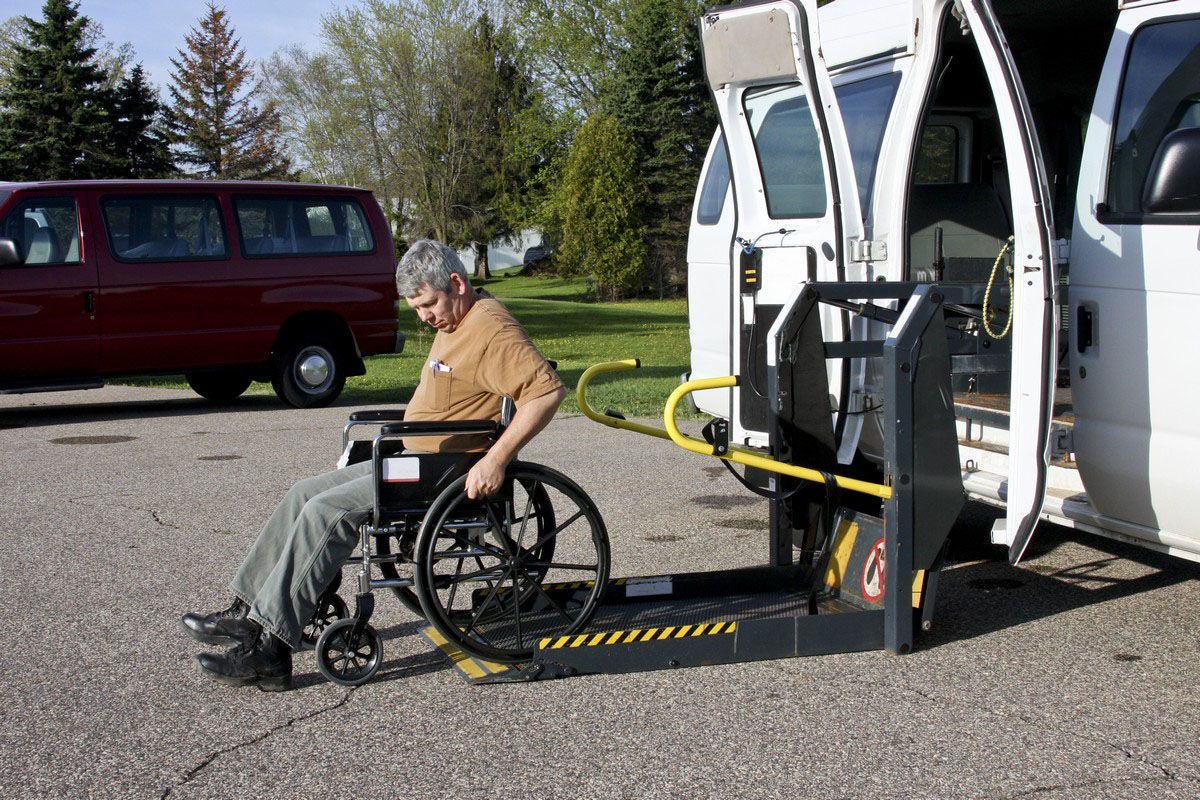
Accessibility features play a massive role in ensuring patient comfort and maintaining physical safety during loading and unloading procedures. According to Global Growth Insights, the demand for wheelchair-accessible vehicles has increased by 35% across the transit market in recent years. This statistic highlights how vital proper mobility equipment has become for modern patient populations. Providers must equip their vans with secure hydraulic lifts and heavy-duty lock systems to accommodate varying mobility limitations safely.
Interior structural configuration matters just as much as external mechanics and engine reliability. The cabin layout must allow medical staff unrestricted access to the patient and essential life-saving equipment at all times. Climate control systems, advanced suspension, and secure storage brackets for heavy oxygen tanks all contribute to a smoother journey. It’s vital to evaluate these physical attributes carefully because they dictate overall ride quality.
Around-the-Clock Availability and Flexibility
Patient medical needs rarely follow a predictable business schedule. People frequently require urgent transfers during late nights, busy weekends, and major holidays. Therefore, you must evaluate the scheduling flexibility and emergency dispatch capabilities of medical transportation companies. Organizations that operate fully staffed twenty-four hours a day offer a measurable advantage when urgent transfer needs arise unexpectedly. Working with a provider constrained by limited operating hours can lead to unacceptable delays in receiving critical patient care.
A responsive, technologically advanced dispatch center serves as the nerve center for successful daily operations. Dispatchers must process incoming transport requests quickly, accurately assess the required level of medical care, and assign the appropriate crew without delay. Ask potential providers about their documented average response times and how they manage resource allocation during high-volume periods. A robust communication infrastructure ensures that urgent transport requests don’t get lost.
Operational flexibility also means adapting seamlessly to changing patient conditions. Sometimes, a scheduled basic life support transport must suddenly upgrade to advanced life support due to an unforeseen shift in health status. The chosen provider must have the reserve capacity and operational readiness to swap vehicles or specialized crews swiftly. This critical adaptability separates merely adequate transport services from exceptional ones.
Staff Training and Clear Communication
The frontline crews operating the vehicles and caring for patients define the ultimate user experience. Beyond basic state licensing, transport staff need mandatory, ongoing education to maintain their clinical skills and driving proficiency. Inquire deeply about the internal training programs required for hired drivers, emergency medical technicians, and registered paramedics. Comprehensive training programs must cover advanced defensive driving techniques, safe patient handling ergonomics, and updated emergency protocols.
Bedside manner and interpersonal communication skills are just as vital as clinical expertise and driving ability when it comes to evaluating medical transportation companies. Transporting a sick, elderly, or injured individual is a delicate process requiring immense empathy and clear instruction. Staff members must explain each step of the journey to the patient and their worried family members to help reduce anxiety. Compassionate, respectful communication creates a calming, therapeutic environment during what is often a stressful event.
The transport team must communicate clearly and effectively with nurses and doctors at receiving facilities. Seamless transportation depends entirely on accurate verbal and written reports regarding vital signs, administered medications, and any incidents that occurred during the ride. When evaluating your final options among different medical transportation companies, focus heavily on their strict protocols for clinical documentation. Accurate, detailed reporting ensures complete continuity of care once the patient safely arrives at the destination hospital or rehabilitation center.
Transporting vulnerable individuals involves significant logistical responsibility and requires a dedicated partner you can depend on completely. By closely examining clinical leadership, vehicle safety features, scheduling flexibility, and comprehensive staff training, you gain a clear, comprehensive view of a provider’s capabilities. It takes extra effort to verify these operational details, but the resulting peace of mind is well worth the initial time investment.
Don’t rush the critical evaluation process or immediately settle for the first convenient option you find online. Take the necessary time to interview company representatives, physically inspect their active fleet, and thoroughly review their historical safety records. The most reliable medical transportation companies always prioritize human health, safety, and personal dignity above simple logistics and profit margins. Making an informed, deliberate choice ensures safe, comfortable, and professional transit for those who need it most in your community.
Don't leave patient safety to chance when researching different medical transportation companies. Contact Above Medical Transportation today to speak with our dispatch team and discover how we can streamline your transit needs.